
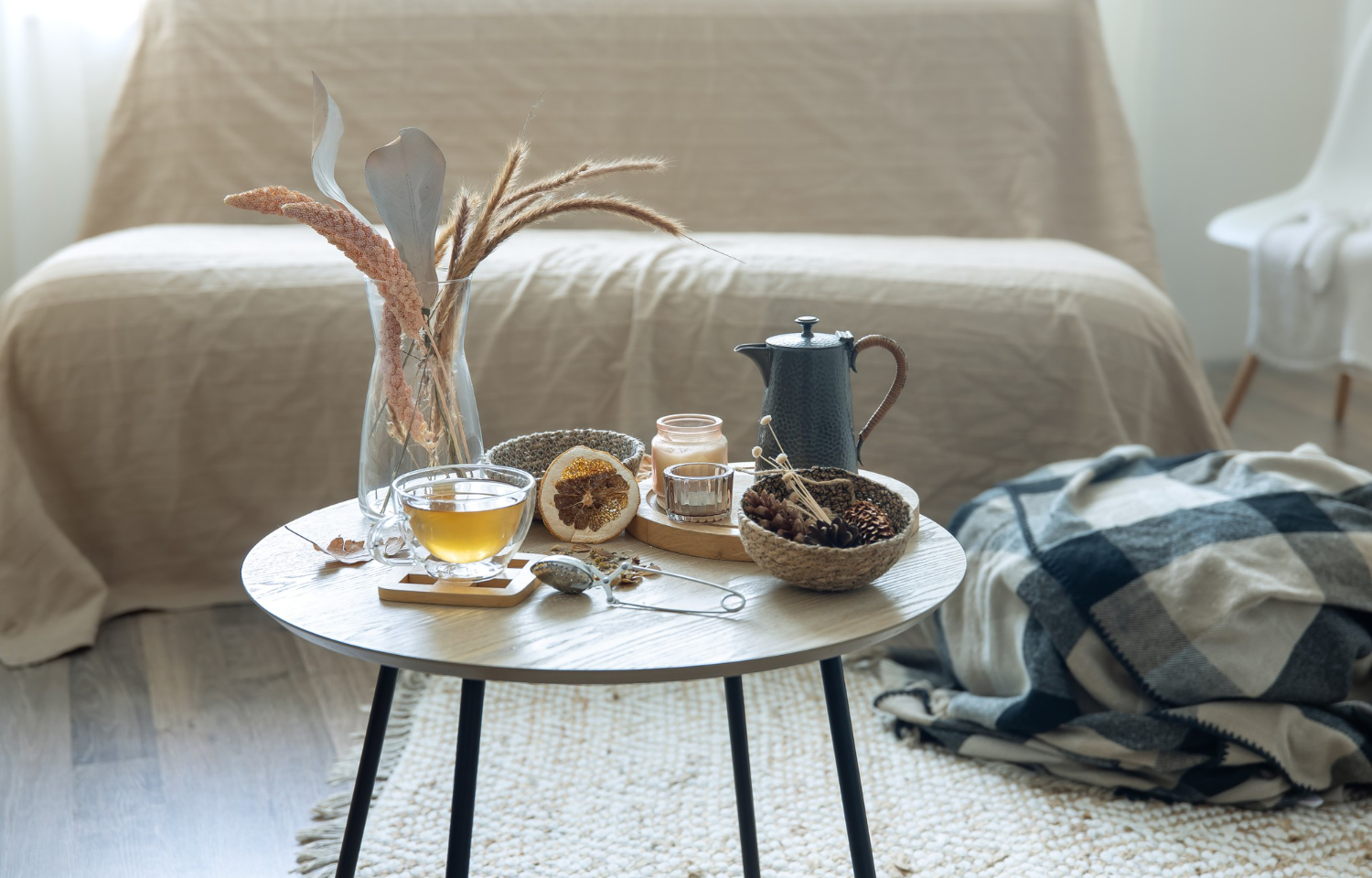
A coffee table that actually survives real life—spills, feet, dropped remotes, the occasional dinner-on-the-couch—comes down to a few things: material, surface finish, and structural stability. Get those right, and your table won’t just look good on day one—it’ll still look decent a year from now.
Industrial Wood + Metal (Best for Daily Abuse)
Wood + metal tables are popular for a reason: the metal frame handles structural stress, while the wood top gives you a usable surface that won’t shatter or feel cold.
- Steel or iron legs resist bending and wobbling
- Wood (or wood-look tops) handle impact better than glass
- Usually coated or sealed, so spills wipe off easily
They’re especially good if your table sees constant use—snacks, laptops, kids, pets.
Watch for: very thin MDF tops. Go for thicker surfaces or reinforced designs.
Solid Wood (Best Long-Term Investment)
If you want something that ages well instead of falling apart, solid wood is hard to beat.
Hardwoods like oak, maple, and acacia are naturally resistant to dents, scratches, and daily wear, and can even be refinished if they get damaged.
- Handles heat (coffee mugs) better than most materials
- Doesn’t warp easily when properly sealed
- Can last decades, not years
Best for: people who want one table they don’t have to replace.
Watch for: untreated wood—make sure it has a protective finish for spill resistance.
Budget-Friendly Engineered Wood (Good If Built Right)
Not all budget tables are junk—you just need to be selective.
Engineered wood (like MDF) can hold up if it’s thick, well-supported, and sealed. Laminated finishes often make these tables surprisingly resistant to spills and stains.
- Easy to clean (great for spills)
- Lightweight and affordable
- Often reinforced with metal frames
Best for: apartments, temporary setups, or low-risk spaces.
Watch for: water exposure—cheap cores can swell if liquid sits too long.
What Actually Makes a Coffee Table “Survive”
Regardless of style, here’s what separates durable from disposable:
1. Material > Style
- Best: hardwood, metal, or a mix of both
- Okay: thick engineered wood
- Avoid: thin particleboard or fragile glass-only designs
2. Protective Finish Is Everything
A sealed surface (polyurethane, lacquer, laminate) is what makes spills a non-issue. Without it, even good wood can stain.
3. Weight = Stability
Heavier tables tend to:
- wobble less
- resist movement
- feel more “solid” over time
4. Leg Design Matters
Wide-set or metal legs distribute weight better and prevent sagging or tipping.
Quick Reality Check (What to Avoid)
If you want something that survives daily life, skip:
- Glass tops (scratch + shatter risk)
- Ultra-light tables (they shift constantly)
- Thin hollow-core builds
- High-gloss finishes (they show every scratch and fingerprint)
The Bottom Line
A durable coffee table isn’t about babying it—it’s about choosing something that doesn’t need babying in the first place.
- Go wood + metal for everyday durability
- Choose solid wood if you want long-term value
- Pick well-built engineered wood if you’re on a budget
Because the best coffee table isn’t the one that looks perfect—it’s the one that still looks fine after real life happens.