
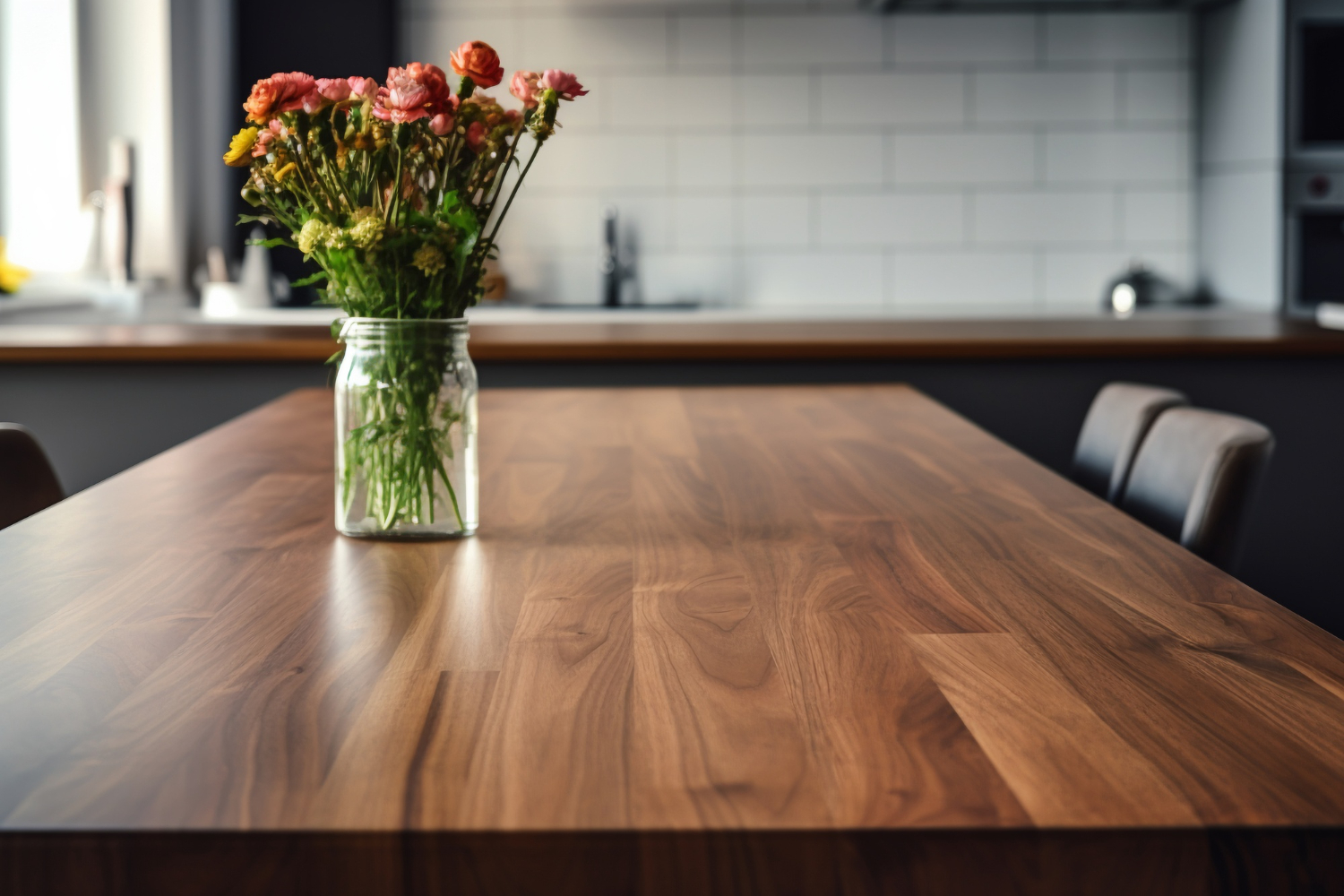
Furnishing a dining space on a budget can feel like a compromise—like you’re choosing between style and sturdiness. But that trade-off isn’t as inevitable as it seems. There’s a sweet spot under $500 where thoughtful design meets everyday durability. The trick isn’t spending more—it’s knowing what actually makes a table feel well-made.
Materials: What You’re Really Paying For
At this price point, solid hardwood is the exception, not the rule—but that’s not a dealbreaker. You’ll often see rubberwood, acacia veneers, or MDF with wood finishes. These materials get a bad reputation, but they’re not inherently low quality. What matters is how they’re used. A thick tabletop, reinforced joints, and a sturdy base can make even engineered wood feel substantial. If a table feels too light or hollow, that’s usually a red flag.
Design: Simple Ages Better
Flashy details rarely help a budget table. Clean lines, matte finishes, and neutral tones tend to look more refined and hold up over time. Mid-century modern designs are especially dependable in this range—think tapered legs and warm wood tones. Farmhouse styles can work too, as long as they lean simple rather than overly distressed. The goal is to choose something that looks intentional, not trendy.
Size Expectations: Be Realistic, Not Restricted
Under $500, most dining tables are designed for four people. Larger tables do exist, but they often sacrifice quality. If you need flexibility, consider drop-leaf or extendable designs. They let you save space day-to-day while still accommodating guests when needed. It’s a practical solution that doesn’t feel like a downgrade.
Finish: The Unsung Hero
A table’s surface can make or break how it ages. Slightly textured or hand-brushed finishes are more forgiving than perfectly smooth ones. They hide scratches, fingerprints, and daily wear much better. If your table is going to double as a workspace or catch-all, this detail becomes even more important.
Stability: The Feel of Quality
Even a good-looking table can feel cheap if it wobbles. Base design plays a huge role here. Thick legs, pedestal bases, or angled supports tend to feel more grounded than thin, spindly frames. Stability isn’t just functional—it changes how the table is perceived every time you use it.
Assembly: The Hidden Factor
Most tables in this price range arrive flat-packed, and the final result depends partly on assembly. Clear instructions, properly aligned holes, and solid hardware all contribute to a sturdier finished product. A well-assembled budget table can feel surprisingly high-end, while a poorly assembled one will never quite feel right.
Styling: Elevate What You Have
A dining table doesn’t exist in isolation. The right chairs, lighting, and accessories can completely change how it feels. A linen runner, a ceramic vase, or a warm pendant light can elevate even the simplest table. When the surrounding elements are intentional, the table feels like part of a cohesive space—not a budget compromise.
Spending under $500 doesn’t mean settling.
It means being selective. Focus on materials, construction, and timeless design, and you can find a table that feels solid, looks refined, and holds up to real life. The goal isn’t to fake luxury—it’s to choose something that genuinely works, both visually and practically.