
Furnishing a home isn’t an all-or-nothing decision between brand-new and secondhand. The smartest approach is a mix—buying new where hygiene, longevity, or performance matter most, and going used where you can save money without sacrificing quality.
Because the truth is, some items age well. Others really, really don’t.
Buy New: Anything That Touches Your Body (or Your Health)
Let’s start with the non-negotiables.
Mattresses & Bedding
This is the one category almost everyone agrees on: always buy new. Used mattresses can carry allergens, odors, mold, or even pests like bed bugs.
Even if it looks clean, you have no idea what it’s absorbed over time.
The same logic applies to:
- Pillows
- Mattresses
- Bed linens
These are worth the investment for hygiene alone.
Upholstered Furniture (Usually)
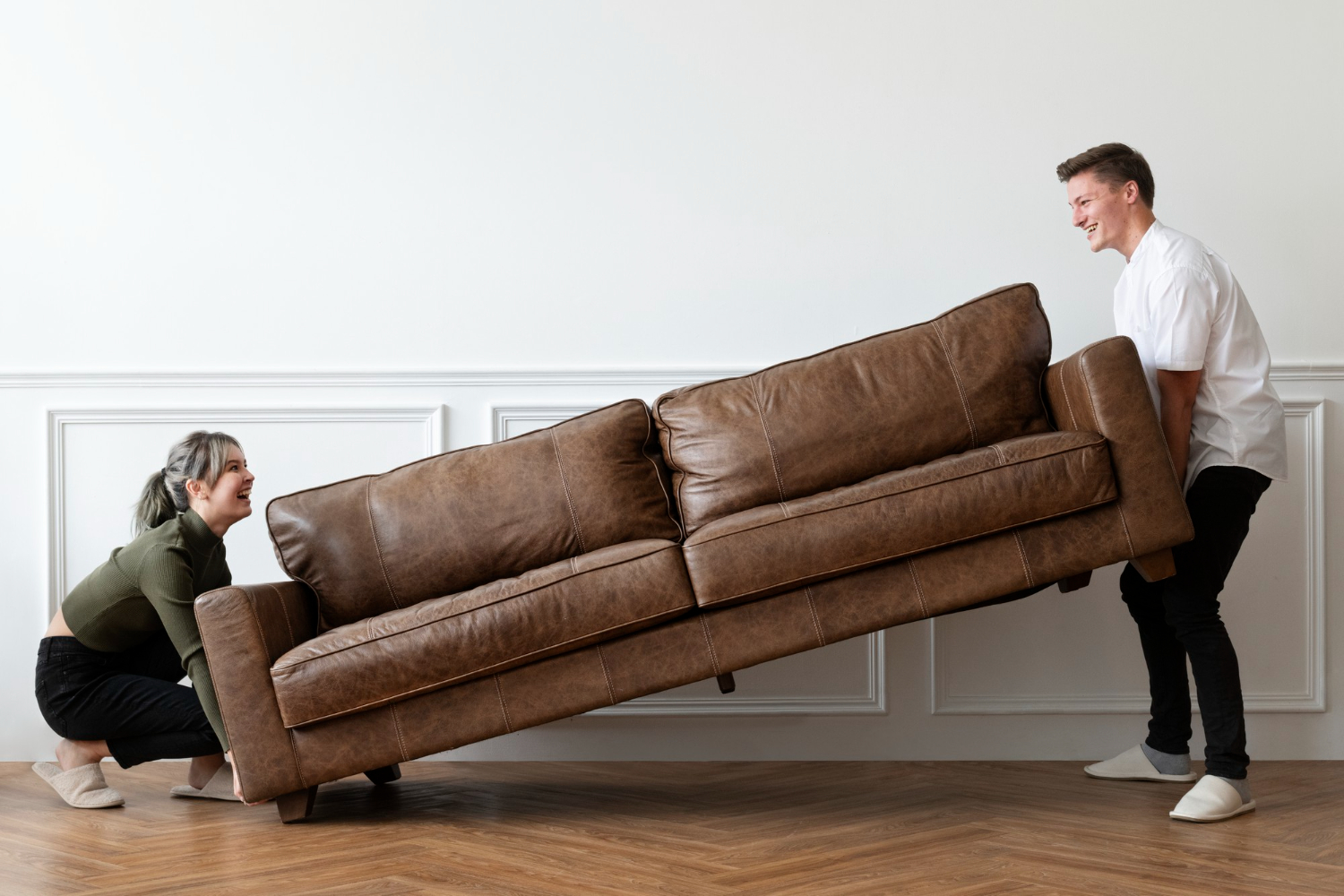
Sofas, armchairs, and fabric headboards are tricky. They can be good used buys—but only if you trust the source.
Why they’re risky:
- They absorb odors (pets, smoke, etc.) that are hard to remove
- Hidden wear (sagging cushions, broken frames) isn’t always visible
- Potential for pests or allergens
If you’re buying used, inspect thoroughly. Otherwise, buying new gives you peace of mind—and often better longevity.
Frequently Used, High-Wear Items
Think:
- Office chairs
- Everyday sofas
- Bed frames (if cheap/low quality used options)
These items take daily stress. New furniture often lasts longer and requires fewer repairs over time.
Buy Used: Where You Get the Best Value
This is where things get interesting—because used furniture can actually be better than new.
Solid Wood Furniture
Dressers, nightstands, dining tables, and bookshelves are often smarter to buy secondhand.
Why?
- Older pieces are frequently made from solid wood
- Better craftsmanship than many modern budget options
- Can cost 70–80% less than new
These are the kinds of items that age well—and often look better with time.
Tables, Desks, and Hard-Surface Pieces
Anything made of wood or metal (and not fabric) is usually a safe bet used:
- Coffee tables
- Dining tables
- Desks
- TV stands
These don’t trap odors or allergens, and structural issues are easier to spot.
Storage Furniture
Used storage pieces are one of the easiest wins:
- Dressers
- Cabinets
- Shelving units
They’re simple, durable, and widely available—often at steep discounts. Some even retain resale value surprisingly well.
Decor & Non-Essentials
This is where you can save the most with almost no downside:
- Lamps
- Mirrors
- Wall art
- Rugs (with inspection)
- Kitchenware
These items are easy to clean, low-risk, and often more unique when bought secondhand.
The Gray Area: Depends on Quality, Not Category
Some items fall in between—it depends on condition, brand, and how picky you are.
Dining Chairs
- Wood or metal → great used
- Upholstered → inspect carefully
Bed Frames
- Solid wood or metal → excellent used buy
- Cheap engineered wood → often not worth it
Appliances
- Can be good used—but risky
- Repairs can quickly erase savings
A Simple Rule That Actually Works
If you’re unsure, use this filter:
- Soft + porous + hard to clean? → Buy new
- Hard + durable + easy to inspect? → Buy used
It sounds simple, but it covers most decisions.
What Real People Tend to Do (and Why)
From real-world experiences, a clear pattern shows up:
“Anything plush I wouldn’t buy used… wood or metal furniture is great used.”
That’s basically the entire strategy in one sentence.
You don’t need to furnish your entire home from one category.
- Buy new for hygiene, comfort, and daily-use essentials
- Buy used for structure, storage, and anything built to last
The goal isn’t just saving money—it’s spending it where it actually matters.
Because a $50 solid wood dresser will outlast a $300 particleboard one.
And a cheap used mattress will outlast your patience in about a week.