
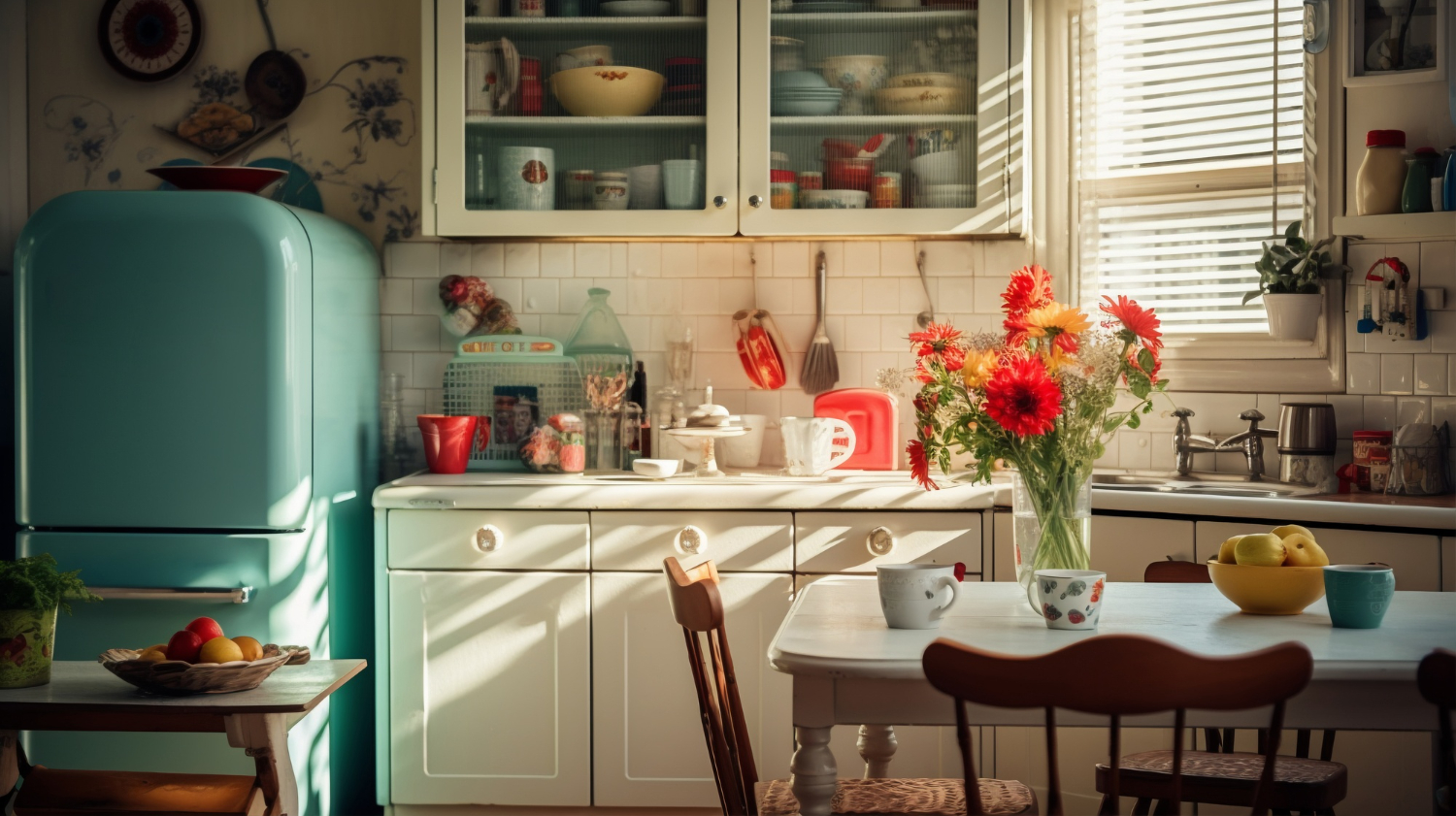
A first apartment kitchen is rarely about having everything—it’s about having just enough to cook real meals without frustration. The mistake most people make is either overbuying gadgets they never use or underbuying basics and relying on takeout longer than necessary.
A functional kitchen comes down to a few core tools, basic cookware, and simple organization.
Start With the Absolute Essentials
These are the non-negotiables if you plan to cook at home at all.
1. Basic cookware set
You don’t need a full chef’s kitchen—just the basics:
- 1 medium frying pan
- 1 small saucepan
- 1 larger pot
Nonstick or stainless steel both work, as long as they’re durable and easy to clean.
2. A reliable knife (just one is enough to start)
Most beginners don’t need a full knife block.
At minimum:
- One chef’s knife (the workhorse)
- Optional: small paring knife for detail work
A good knife matters more than owning many cheap ones.
3. Cutting board
One is fine to start, but having two helps:
- One for raw ingredients
- One for cooked or ready-to-eat foods
Plastic is easier to maintain in a first apartment setup.
4. Cooking utensils
You’ll use these constantly:
- Spatula
- Wooden spoon or mixing spoon
- Tongs
These handle most everyday cooking tasks.
Basic Eating and Serving Essentials
Even if you don’t cook much yet, you still need simple tableware.
- Plates (at least 4)
- Bowls (at least 4)
- Cups or mugs
- Basic silverware set
Start small—you can always expand later if needed.
Small Appliances That Actually Matter
You don’t need a crowded countertop, just a few high-impact tools.
1. Microwave
Still the most useful appliance for quick meals, reheating, and convenience.
2. Electric kettle or coffee maker (depending on habits)
- Kettle: faster for tea, instant meals, and hot water
- Coffee maker: daily routine essential for coffee drinkers
3. Toaster or toaster oven (optional but useful)
Helps with quick breakfasts and simple meals.
Food Storage Basics
Without storage, even simple cooking becomes messy.
- Food storage containers (variety of sizes)
- Zip bags or reusable containers
- Basic pantry bins or shelves
Clear containers help you actually see what you have, reducing waste.
Cleaning Supplies (Often Forgotten)
A functional kitchen needs to be easy to clean.
- Dish soap
- Sponge or scrub brush
- Dish rack (if no dishwasher)
- Trash bags
- Basic all-purpose cleaner
A clean kitchen is what keeps you cooking instead of ordering out.
Pantry Starter Basics
You don’t need a full pantry immediately, just flexible staples:
- Rice or pasta
- Cooking oil
- Salt and pepper
- Basic spices (garlic powder, paprika, etc.)
- Canned goods (beans, tomatoes, broth)
These form the base of simple, repeatable meals.
Smart Add-Ons (Only After Basics)
Once the essentials are covered, you can slowly add:
- Baking sheet
- Mixing bowls
- Measuring cups and spoons
- Can opener
- Colander (for pasta)
- Peeler
These improve convenience but aren’t urgent on day one.
What NOT to Buy Early On
First apartments often waste money on things that sound useful but rarely get used:
- Specialty gadgets (avocado slicers, egg tools, etc.)
- Large appliance bundles you don’t need yet
- Duplicate utensils “just in case”
- Expensive cookware sets with pieces you won’t touch
Start simple and expand based on your actual cooking habits.
The Minimal First Apartment Kitchen Setup
If you want the leanest functional setup:
- 1–2 pots/pans
- 1 good knife + cutting board
- Basic utensils
- Plates, bowls, cups, silverware
- Microwave or kettle
- Basic cleaning supplies
- Simple food storage
That alone is enough to cook most everyday meals.
A first apartment kitchen doesn’t need to be complete—it needs to be usable.
- Focus on basic cooking tools first
- Add appliances only if they match your habits
- Avoid clutter and specialty gadgets early on
The goal is simple: make it easy to cook, clean, and repeat. Once that’s in place, everything else is just refinement—not necessity.