
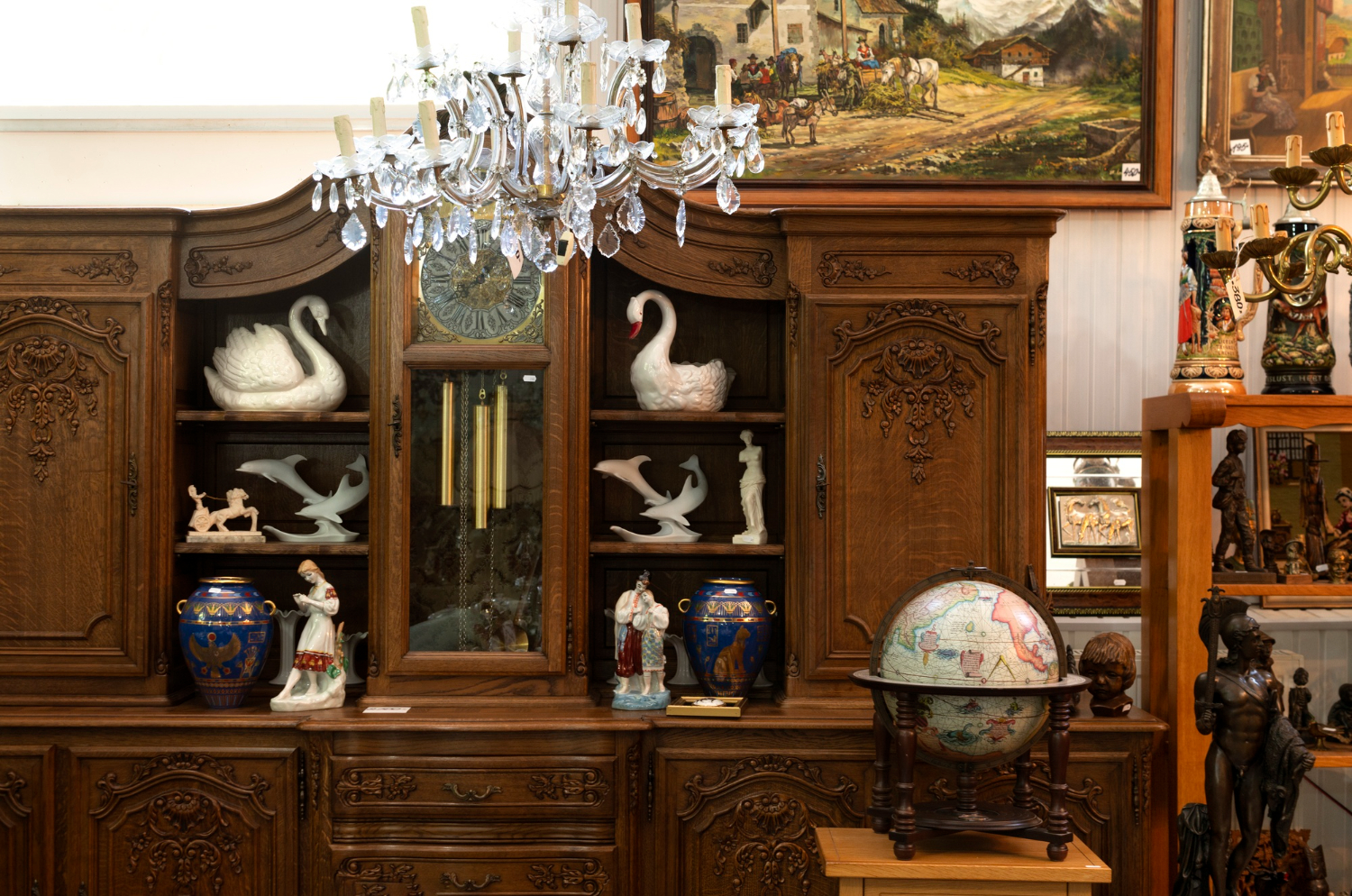
Thrift stores are a bit like treasure hunting. You can walk in and see a room full of “maybe someday” pieces—or you can walk out with something solid, well-made, and built to last longer than half the stuff in big-box stores. The difference usually comes down to knowing what to look for and what to ignore.
Here’s how to actually find high-quality furniture at thrift stores without relying on luck.
Start With the Frame, Not the Finish
A lot of thrifted furniture looks rough on the surface but is solid underneath. That’s what you want.
Flip chairs and tables over. Check the underside, joints, and corners. Solid wood or heavy metal frames are usually a good sign. If it feels surprisingly heavy for its size, that’s often a clue it’s built well.
Surface scratches or outdated finishes are easy fixes. Structural damage isn’t.
Learn to Spot Real Wood
Not all “wood furniture” is equal.
Solid wood pieces can be sanded, refinished, and repaired. Veneer or particleboard, on the other hand, has limits—once it chips or swells, it’s hard to bring back.
A quick check: look at edges and corners. If you see layered material or a repeating grain pattern that looks printed, it’s probably veneer.
Test Stability Like You Mean It
Don’t just glance—move it.
Sit on chairs. Open drawers. Wiggle table legs. High-quality furniture should feel stable, even if it’s old or worn. A little creak is normal; wobbling or shifting is not.
Drawers should slide smoothly without catching or sagging. If they fall out of alignment easily, repairs may not be worth the effort.
Ignore Surface Noise
Thrift furniture often looks worse than it is.
Stains, faded fabric, outdated colors—none of that determines quality. Upholstery can be replaced, wood can be refinished, and hardware can be swapped out.
What you’re really evaluating is structure, not style.
Look for Joinery (This Is the Real Clue)
How something is built matters more than how it looks.
Dovetail joints in drawers, mortise-and-tenon connections, and screws combined with wood glue usually indicate better craftsmanship. Staples and weak glue-only joints are more common in lower-end pieces.
You don’t need to be a carpenter—just look for signs that the piece was made to last, not just assembled quickly.
Be Open to “Ugly but Solid”
Some of the best thrift finds aren’t pretty at first glance.
A bulky dresser with outdated handles or a scratched coffee table might look unappealing—but those are often the pieces worth taking home. A quick hardware swap or coat of paint can completely change them.
Style is flexible. Structure isn’t.
Check for Repair Potential
Not everything has to be perfect—you just need to know if it can be fixed.
- Loose legs? Usually repairable
- Worn finish? Easy to refinish
- Missing knobs? Cheap replacement
But if the frame is cracked, warped, or heavily water-damaged, it’s usually not worth the effort.
Know What Sells Fast (So You Don’t Miss It)
Certain types of furniture rarely sit long in thrift stores because they’re consistently well-made:
- Solid wood dressers
- Mid-century style chairs and tables
- Metal-framed shelving units
- Heavy coffee tables with simple designs
If you see something like that in good condition, it’s usually worth acting quickly.
Don’t Shop Without a Plan
It’s easy to get overwhelmed or distracted.
Go in knowing what you actually need: a side table, a chair, storage, etc. That makes it easier to filter out everything else.
Otherwise, you’ll end up buying something “cool” that doesn’t fit your space or purpose.
Finding high-quality furniture at thrift stores isn’t about luck—it’s about looking past the surface.
Focus on structure, materials, and build quality. Ignore cosmetic flaws. And don’t be afraid of pieces that need a little work.
Because the best thrift finds aren’t the ones that look perfect on day one—they’re the ones that still have decades of use left in them once you bring them home.