
Buying used can save a lot of money—and sometimes you end up with better quality than anything new at the same price. But not everything is worth picking up secondhand. Some items age well. Others quietly turn into problems you don’t want to deal with.
Here’s a practical breakdown of what’s usually safe to buy used, and what’s better left on the shelf.
What’s Usually Smart to Buy Used
Furniture (especially solid wood)
Older furniture—especially solid wood pieces—often outlasts modern budget versions. Dressers, tables, and chairs from older eras were frequently built with sturdier materials and better joinery.
Even if the finish looks rough, that’s cosmetic. Structure is what matters.
Books
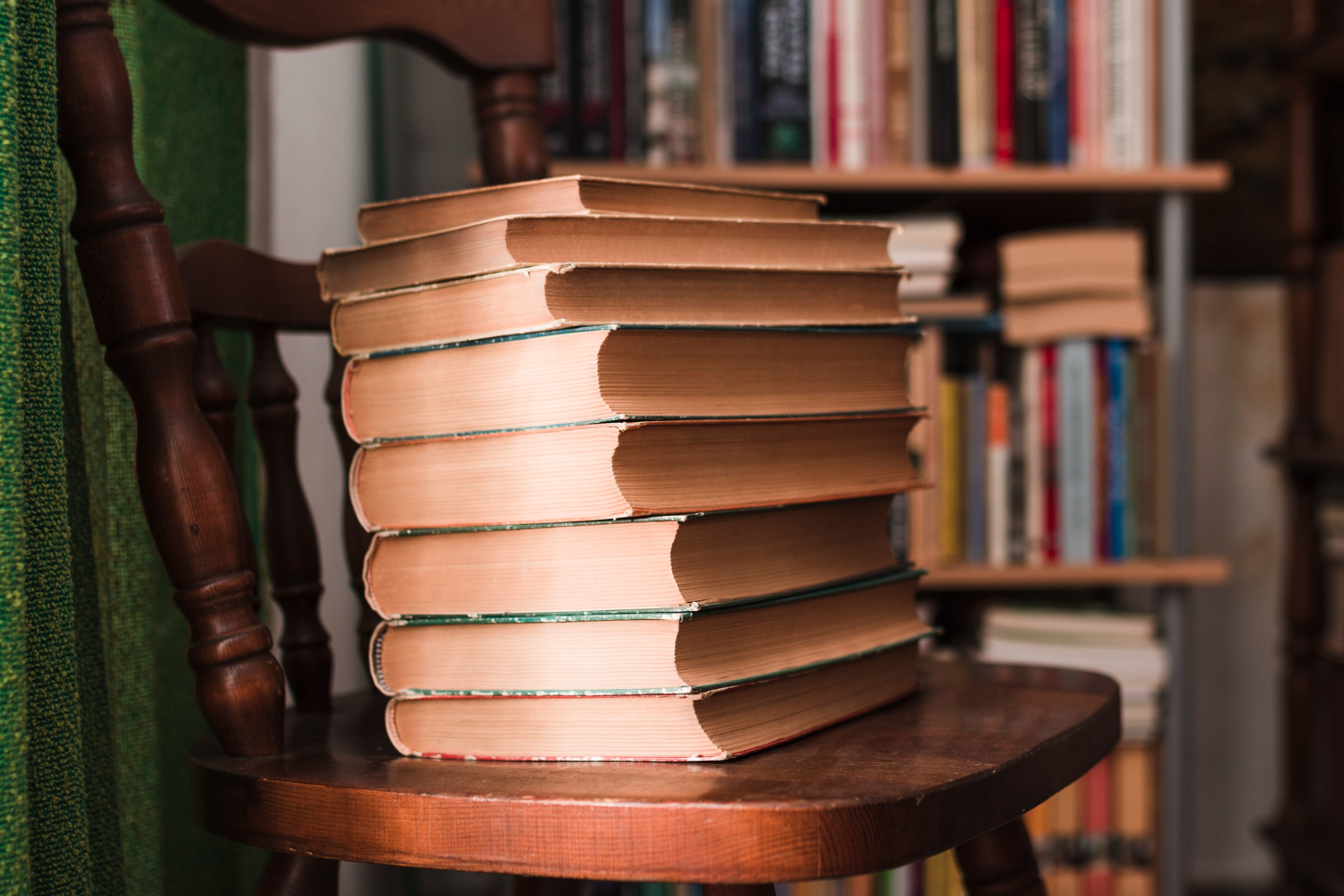
Books don’t really “wear out” in a meaningful way unless they’re heavily damaged. Thrift stores and used bookstores are great for building a library at a fraction of the cost.
Minor yellowing or worn covers don’t affect usability.
Kitchenware (non-electric)
Things like glassware, ceramic dishes, cast iron pans, and stainless steel utensils are usually safe buys. Cast iron in particular often gets better with age if it’s been properly cared for.
Just avoid anything chipped, deeply scratched, or rusted beyond recovery.
Tools
Hand tools—hammers, wrenches, screwdrivers, drills—are often built to last decades. Older tools can be surprisingly durable and sometimes better made than newer budget versions.
Just test moving parts and check for excessive wear or damage.
Home décor
Lamps, frames, mirrors, and decorative pieces are generally safe to buy used. They don’t affect safety or hygiene in any serious way, and they’re easy to clean or update.
Bikes (with inspection)
Used bikes can be a great deal if you check them properly—frame integrity, brakes, tires, and chain condition all matter. A quick tune-up can bring a decent used bike back to life.
What You Should Usually Avoid Buying Used
Mattresses
This is one of the clearest “no” categories. Mattresses can harbor allergens, pests, and general wear that you can’t fully see or clean out.
Even if it looks fine, it’s rarely worth the risk.
Helmets and safety gear
Anything designed to protect your body in a crash or impact should be new. Helmets can have hidden structural damage that isn’t visible after previous use.
Once it’s taken an impact, it’s done.
Underwear and most shoes
These fall into hygiene and wear categories. Shoes can sometimes be okay if barely used, but generally they’ve already molded to someone else’s feet.
Electronics (with caution)
Used electronics can be hit or miss. Phones, laptops, and appliances might work fine—or fail shortly after purchase.
If you do buy them used, test thoroughly or buy from a trusted refurbished source with a return policy.
Cribs and child safety items
Anything tied to infant safety standards can become outdated or worn in ways that aren’t obvious. Missing parts or older safety designs can pose real risks.
Upholstered furniture (if heavily worn)
Sofas and chairs with fabric can trap odors, allergens, and pests over time. Lightly used pieces are usually fine, but heavily worn upholstery can be difficult to fully clean or restore.
The Simple Rule That Makes Decisions Easier
If it touches your body directly or affects safety, think twice. If it’s structural, decorative, or easy to clean, it’s usually fair game.
Buying used isn’t about settling—it’s about choosing smarter.
Some items hold their value and quality over time. Others degrade in ways you can’t always see.
Once you know the difference, you stop guessing and start finding real value—without paying for it in frustration later.