
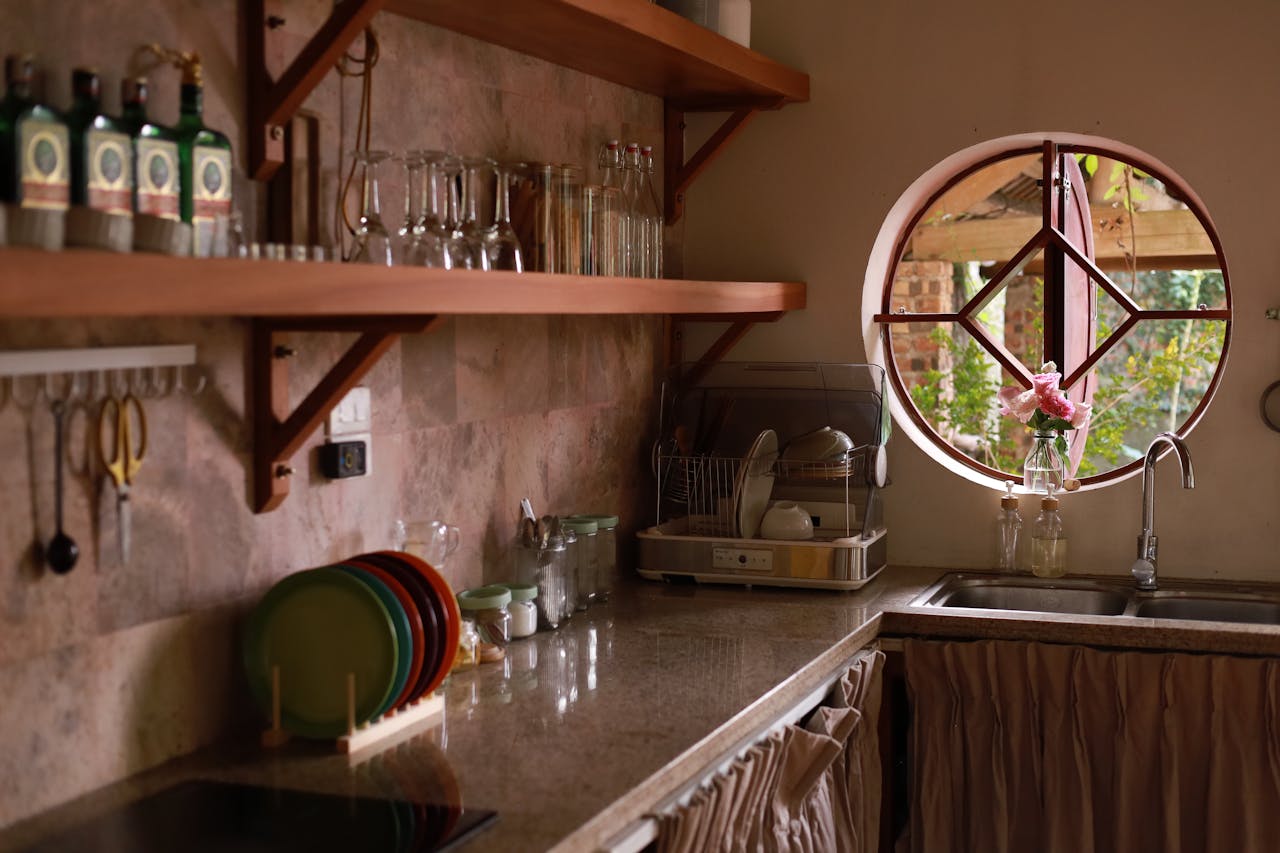
Thrifting kitchen essentials is one of the easiest ways to save money when setting up a home. The key is knowing what’s actually safe to buy used and what’s better left behind. Some items clean up well and last for years, while others carry hygiene or safety concerns that make them poor second-hand choices.
Here’s a straightforward guide to what you can confidently thrift for your kitchen—and what you should probably avoid.
Generally Safe to Buy Used
Glass, Ceramic, and Stoneware Dishes
Plates, bowls, mugs, and serving dishes are usually safe as long as they’re not chipped or cracked. These materials are non-porous, so they don’t absorb bacteria the way other materials can. They’re also easy to clean thoroughly.
Avoid anything with damage, since chips and cracks can trap residue and make items unsafe for everyday use.
Stainless Steel Cookware
Stainless steel pots, pans, and utensils are among the best second-hand kitchen finds. They’re durable, non-porous, and hold up well to repeated cleaning.
Even older pieces can perform just as well as new ones if they’re structurally sound.
Cast Iron Cookware
Cast iron is one of the strongest categories for thrift shopping. It can last for decades and often improves with age if it’s been maintained properly.
Surface rust or dullness is usually fixable through cleaning and re-seasoning, making it one of the most reliable used kitchen investments.
Glass Food Storage Containers
Glass containers are generally safe and long-lasting. They don’t retain odors or stains easily and can be fully sanitized.
The main thing to check is the condition of the lids, since seals and plastic components tend to wear out faster than the glass itself.
Metal Baking Tools
Baking sheets, roasting pans, and muffin tins made from metal are usually fine to buy used. Cosmetic wear like discoloration is common and doesn’t typically affect performance.
Avoid items that are heavily warped, since they won’t heat evenly.
Basic Non-Electric Kitchen Tools
Utensils such as spatulas, ladles, mixing bowls, strainers, and similar tools are generally safe if they’re clean and not damaged.
These items are simple, durable, and easy to sanitize or replace if needed.
Use Caution Depending on Condition
Cutting Boards
Wood cutting boards can be acceptable if they are in good condition and not deeply grooved. Deep cuts can trap bacteria and make cleaning less effective.
Plastic boards are only worth buying if they are not heavily scratched or stained.
Small Kitchen Appliances
Blenders, coffee makers, toasters, and similar appliances can be good second-hand buys, but only if they can be tested before purchase.
The main risk is hidden electrical issues or internal wear that is not immediately visible.
Nonstick Bakeware
Nonstick pans and trays are fine only if the coating is intact. Once the surface is scratched or peeling, they should be avoided.
Nonstick surfaces have a limited lifespan compared to stainless steel or cast iron.
Usually Better to Avoid Used
Heavily Worn Nonstick Cookware
If the coating is scratched or flaking, it is no longer safe or effective. Even if it appears usable, it’s generally not worth the risk.
Old or Damaged Plastic Items
Plastic containers, utensils, or boards that are heavily scratched, discolored, or warped should be avoided. Wear can make them harder to clean and less safe for food use.
Cleaning Tools
Items like sponges, dish brushes, and scrubbers should always be bought new. They are inexpensive and not worth the hygiene risk when used.
Fabric-Based Kitchen Items
Fabric items used in kitchens, such as padded cushions or cloth storage, can absorb odors and bacteria. Unless they are washable and in excellent condition, they are best avoided.
A Simple Rule to Follow
Before buying anything used for your kitchen, ask:
- Can this be fully cleaned and sanitized?
- Does wear affect its safety or performance?
If the answer to either question is no, it’s usually not worth purchasing.
Thrifting kitchen essentials works best when you focus on durable, non-porous materials that can withstand heavy cleaning.
Glass, stainless steel, and cast iron are the most reliable choices. Plastic, nonstick, and fabric items require more caution and are often better bought new.
A well-built second-hand kitchen isn’t about taking chances—it’s about choosing items that still have plenty of life left in them.